
Dog sleeping all summer? Don't call it lazy! These are the hidden signals your pup is trying to tell you.
As soon as the hot summer arrives, many dog owners will notice their dogs becoming unusually sleepy, a stark contrast to their usual lively and energetic selves. They spend most of their time lying on the ground with closed eyes resting, with a significant reduction in activity. Many people mistakenly think their dogs have become lazy, less active, or even that their personalities have turned dull and uninteresting. In fact, dogs' increased sleepiness in summer is not a bad habit and does not necessarily mean there's something wrong with their bodies; it is a normal physiological response adapted to high temperatures. However, an abnormally large increase in sleep time accompanied by listlessness could be a warning sign of heat stress or physical discomfort. Dog owners need to learn to scientifically distinguish between these situations and understand their dogs' changes in sleep patterns.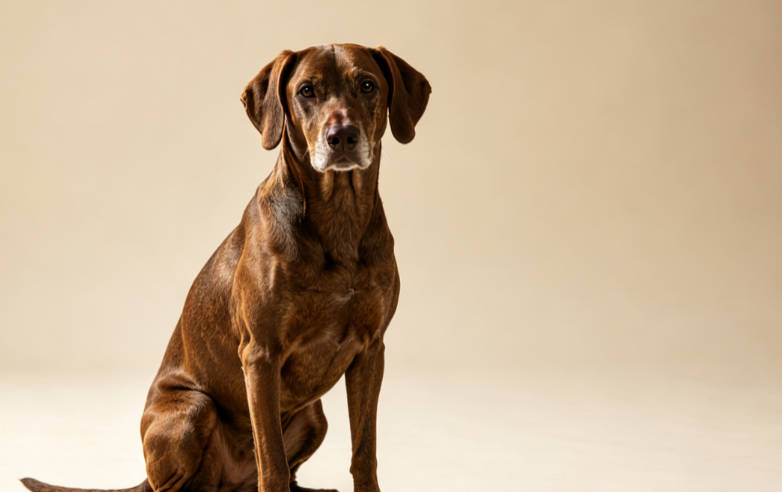
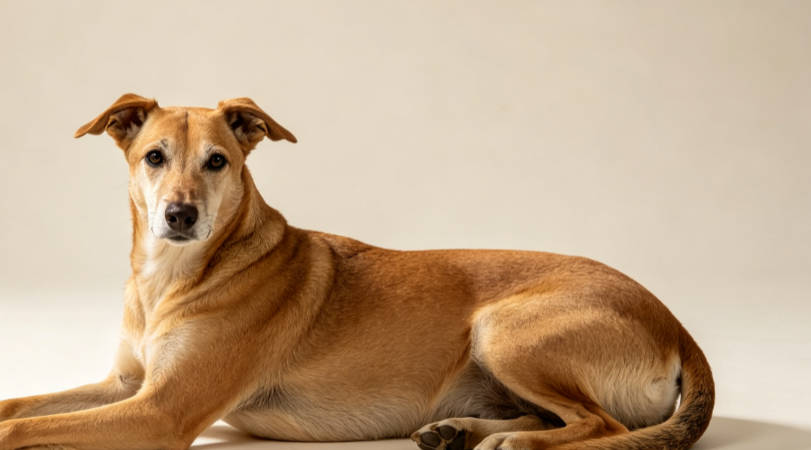
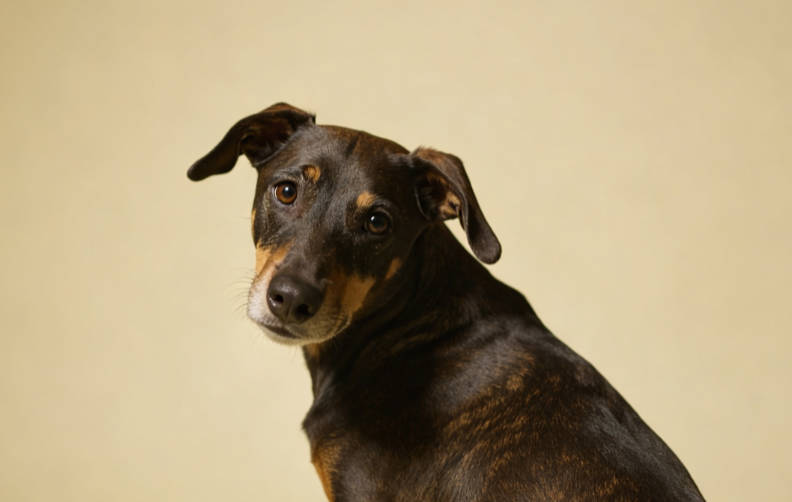
Adequate summer sleep is a way for dogs to self-regulate their bodies and maintain their physical stamina. In hot weather, a dog's bodily functions remain in a state of mild stress even when stationary, as they quietly regulate their body temperature and adapt to the environment, resulting in much greater physical exertion compared to normal temperature seasons. Sufficient sleep allows a dog's bodily functions to recover, relieving fatigue and discomfort caused by the heat, and stabilizing their endocrine and metabolic states. Additionally, adequate rest can boost a dog's immunity, preventing issues such as irritability, decreased appetite, and low energy levels that may arise from prolonged heat, helping them adapt smoothly to summer weather.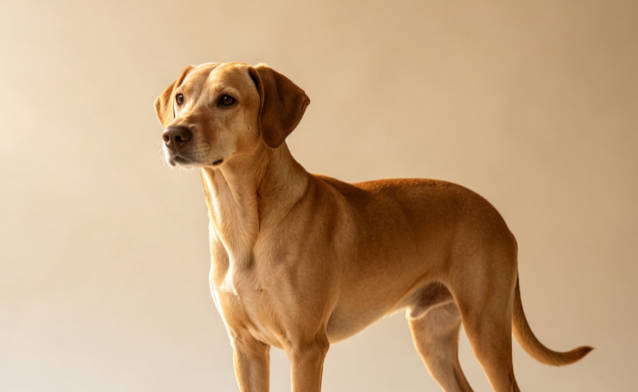
In general, dogs sleeping longer in summer is a normal seasonal behavior, an instinctive way for them to avoid heat, protect themselves, and care for their bodies. It is not laziness or a sign of illness. Pet owners should not disturb the dog's rest unnecessarily but instead follow its natural sleep schedule. At the same time, ensure indoor cooling, ventilation, and adequate water supply. Observe the dog's mental state after waking regularly to differentiate between normal sleep and abnormal excessive sleepiness, and promptly detect potential health issues. By adapting pet care to seasonal changes, dogs can comfortably and safely enjoy the entire hot summer.